
Flooding can happen quickly—especially during intense storms or high tides. While long-term flood protection projects are essential, simple household readiness steps can reduce damage, stress, and recovery time when flooding occurs.
Why Flood Readiness Matters
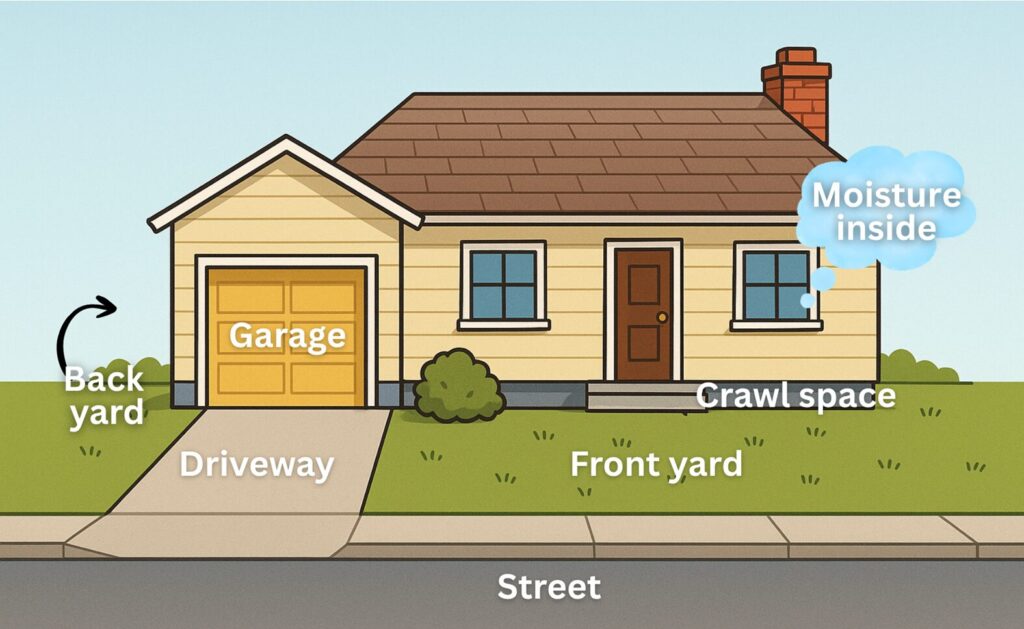
Even shallow flooding in your home and garage can:
- Lead to costly repairs and long recovery times
- Damage floors, walls, appliances, and electrical systems
- Create health risks from mold and contaminated water
Taking steps to prepare ahead of time can:
- Reduce property damage
- Improve safety during storms
- Support faster cleanup and recovery
- Complement long-term flood resilience projects in your community
Preparedness and Storm Safety Checklists
The resources below offer practical, easy-to-use guidance to help households build preparedness over time and stay safe before, during, and after storms.
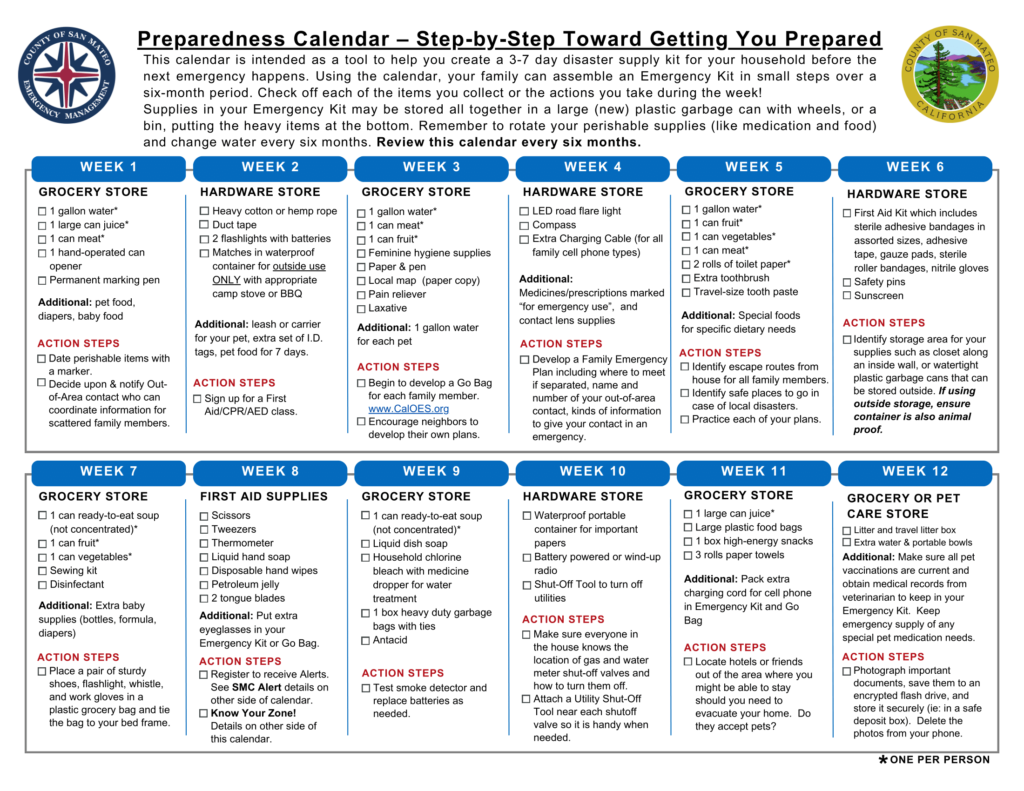
Preparedness Calendar
A week-by-week emergency preparedness guide that helps households build essential supplies and plans over time, supporting readiness for flooding and other emergencies. (Available in multiple languages.)
Belle Air Neighborhood Storm Season Safety Flyer
A step-by-step safety guide to help San Bruno’s Belle Air households prepare for storms, stay safe during flooding, and recover afterward, with local contacts, alert systems, and evacuation guidance. (English, Spanish)
Flood Protection Supplies and How to Choose Them
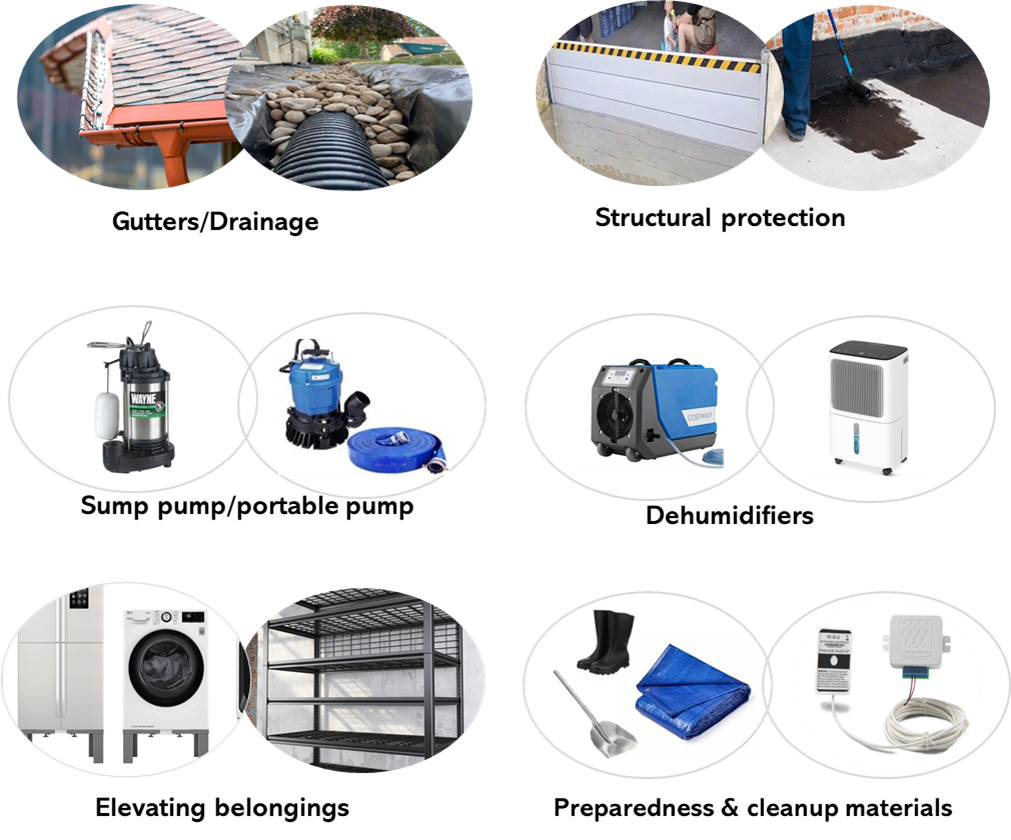
Flood protection supplies can help keep water out of homes, manage water that enters, and protect people and belongings.
There are many ways to reduce flood risk at home, from simple steps like elevating appliances and important documents to tools such as flood barriers, pumps, and drainage improvements. The right supplies and the right setup depend on how flooding happens, the layout of your home, and your household’s needs.
Chooding the Right Flood-Ready Supplies
“Not sure where to start? OneShoreline and our partners have created an easy-to-use Flood Supplies Decision Guide (English / Spanish) to help households choose flood protection options that fit their situation.
This guide helps you identify your flood concern, such as where water comes from or what areas of your home get wet, and walks through common flood protection options. It explains what different tools do, how much setup is involved, and which approaches may work best for your home.
Stay Alert and Ready
Emergency alerts and mapping tools help you track changing conditions and respond quickly during storms.
➡️Sign up for San Mateo County emergency alerts (SMC Alert) and add your address so you recieve alerts that apply to your neighborhood.
➡️Install the Genasys Protect app on your mobile device and get familiar with the map feature to track evacuation zones and orders.
⚠️In an emergency, always call 9-1-1.
Other Resources
- Sand bag pick-up sites: A list of San Mateo County locations where sandbags are available.
- Learn more about OneShoreline’s Projects